QUIET WITHIN BY SIONA THACKER
Can a painting preserve the memory of a disappearing world?
This collection of original oil paintings by Siona Thacker is a visual tribute to the lives, traditions, and journeys of Jewish communities from Yemen, Kurdistan, Morocco, Persia, and other lands before and after their immigration to Israel.
Inspired by historical memories, family stories, and cultural heritage, these paintings portray everyday life, ancient customs, traditional clothing, celebrations, faith, and the challenges of building new lives during Israel’s early years.
More than historical scenes, these artworks preserve the spirit of generations whose voices are gradually fading from living memory.
The introductory videos on this page offer a glimpse into the inspiration behind the collection and the stories that shaped these paintings.
Quiet Within | Art • Heritage • Memory • Jewish History
A Home Full of Art & Spirit | Studio Visit & Book Collection
A Journey Through Art & Soul | Siona Thacker Home Interview
Echoes of the Soul | Spiritual Oil Paintings & Original Songs
Visions of the Soul | Kabbalistic Oil Paintings & Original Songs
✦Paintings of Spirit & Memory
✦ Jaffa Flea Market
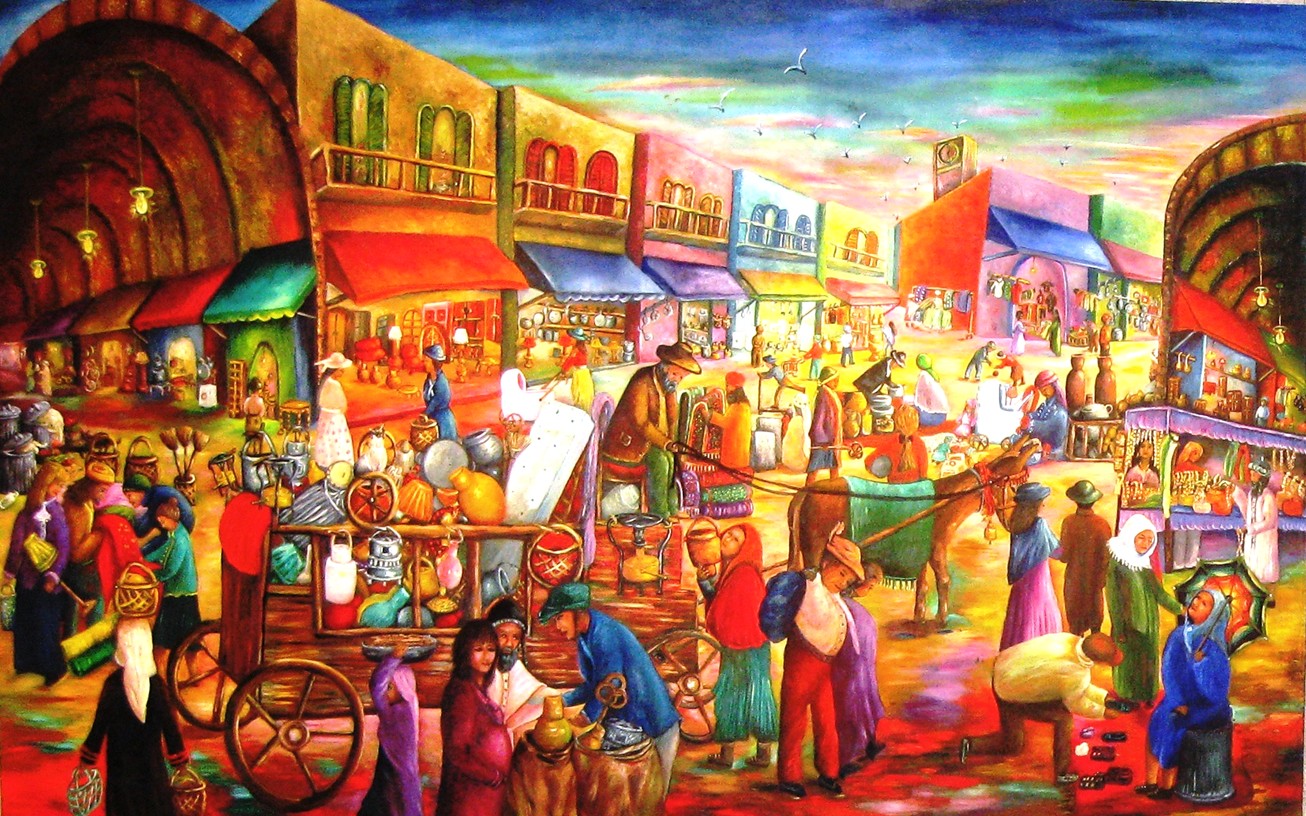
This painting captures the vibrant atmosphere of the Jaffa Flea Market, where people from different cultures gather among antiques, handcrafted objects, and memories of the past. Through color and movement, it celebrates history, tradition, and everyday life.
✦ Sailing to Israel
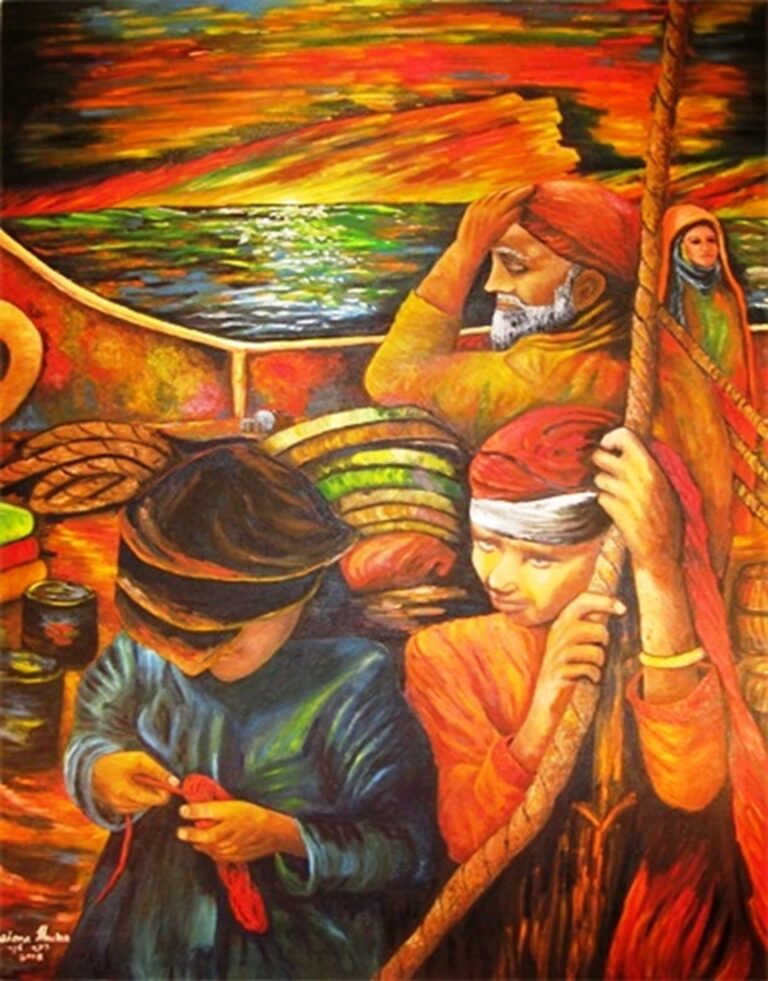
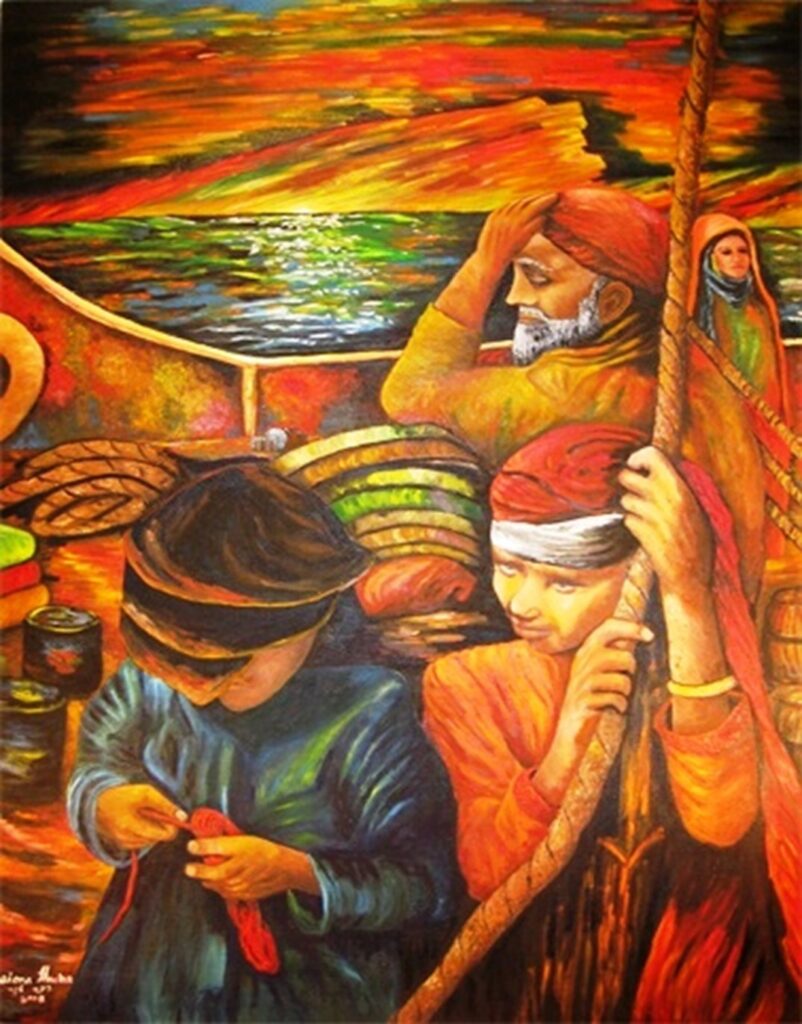
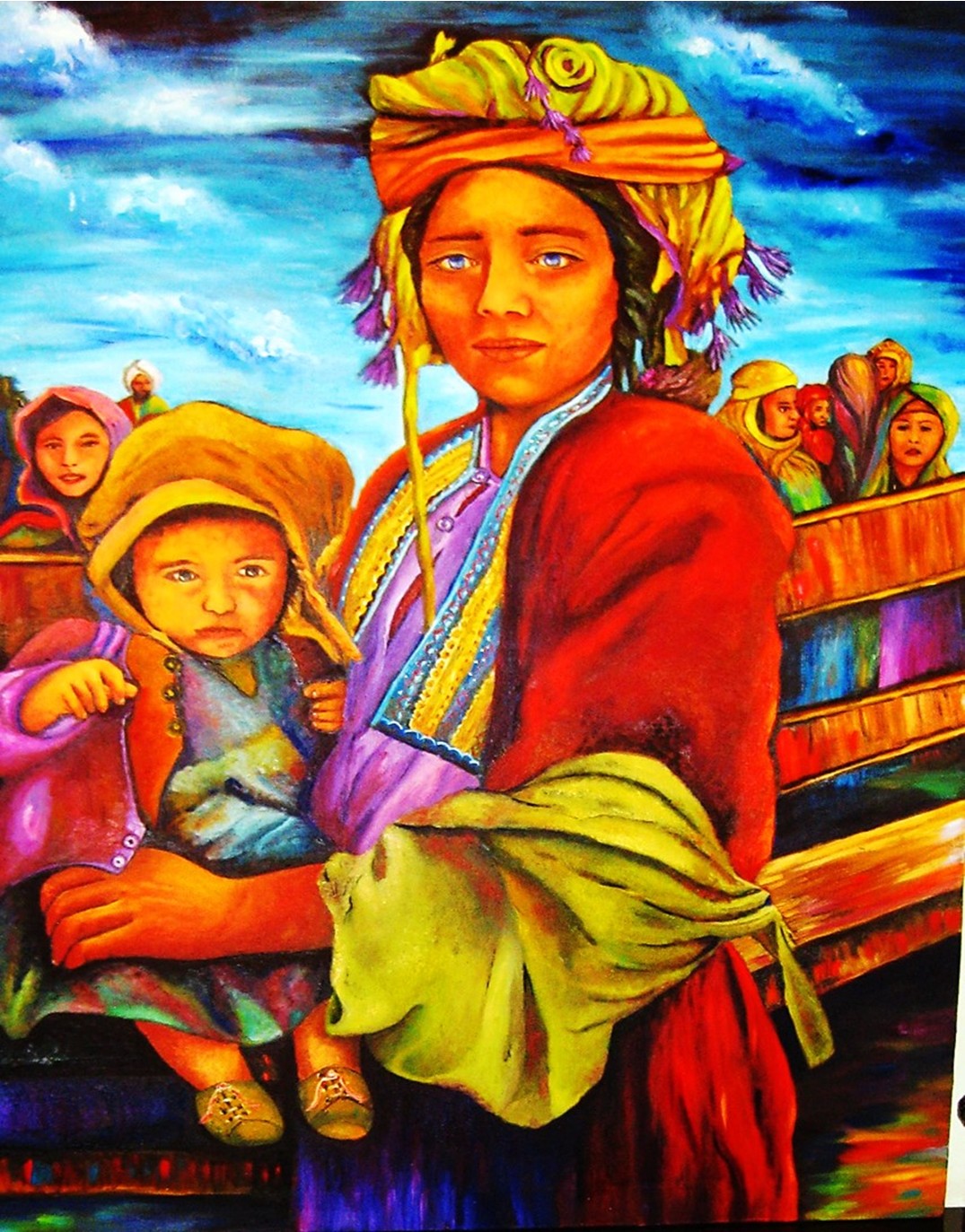
This painting portrays the journey of Kurdish Jewish families immigrating to Israel during the 1950s. Through expressive colors and emotional imagery, it reflects the hope, courage, and uncertainty of those leaving behind their homes and beginning a new chapter in the Land of Israel. It is a tribute to a generation whose memories, traditions, and life stories continue to inspire future generations.
✦The Journey to Israel
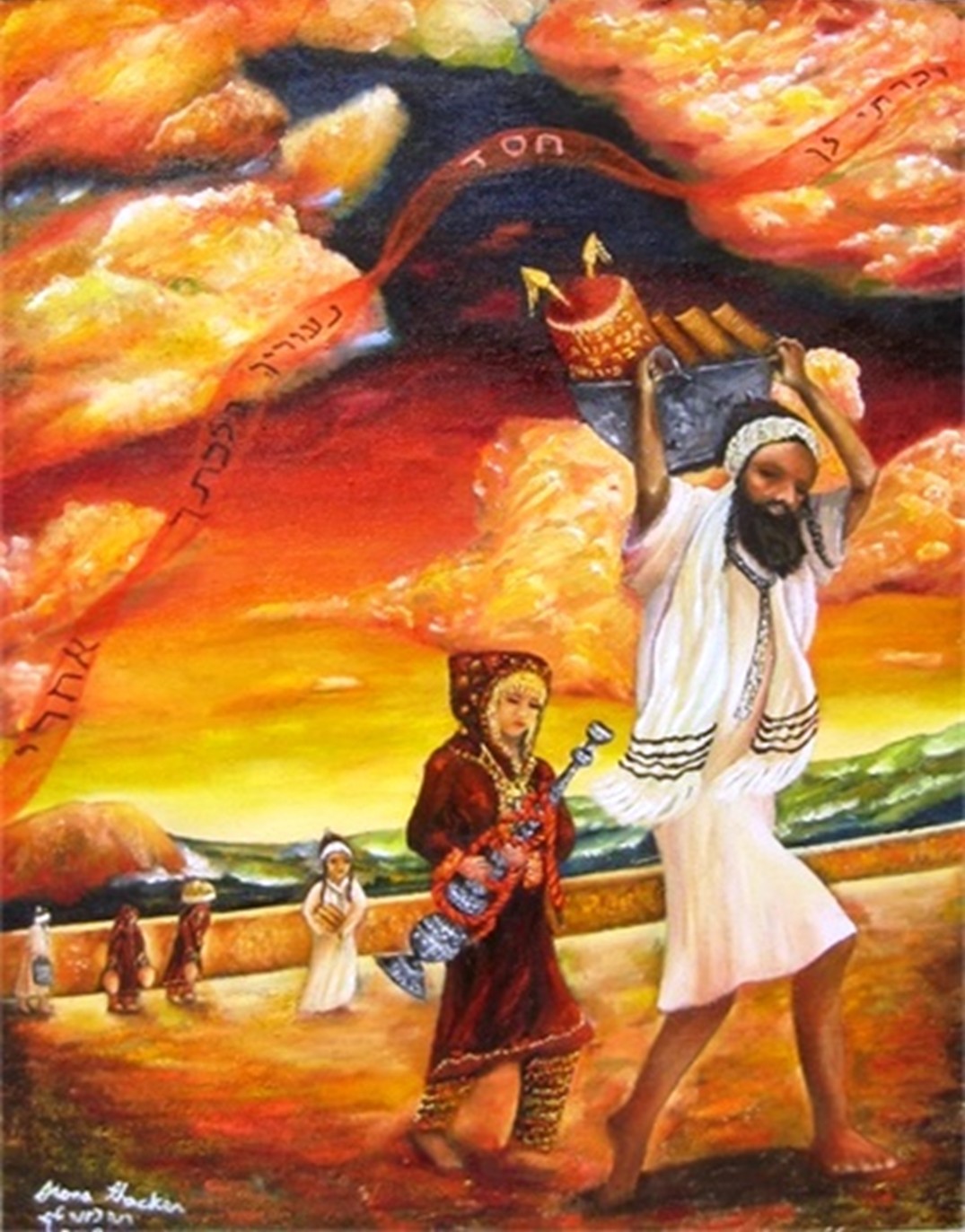
This painting portrays the historic journey of Yemenite Jewish families who walked to Israel, leaving behind their homes and possessions while carrying only what they considered most precious—the Torah scrolls and their enduring faith. Through vivid colors and symbolic imagery, the painting honors their courage, sacrifice, and spiritual devotion during one of the most remarkable chapters in Jewish history.
✦ Waiting in the -Transit Camp
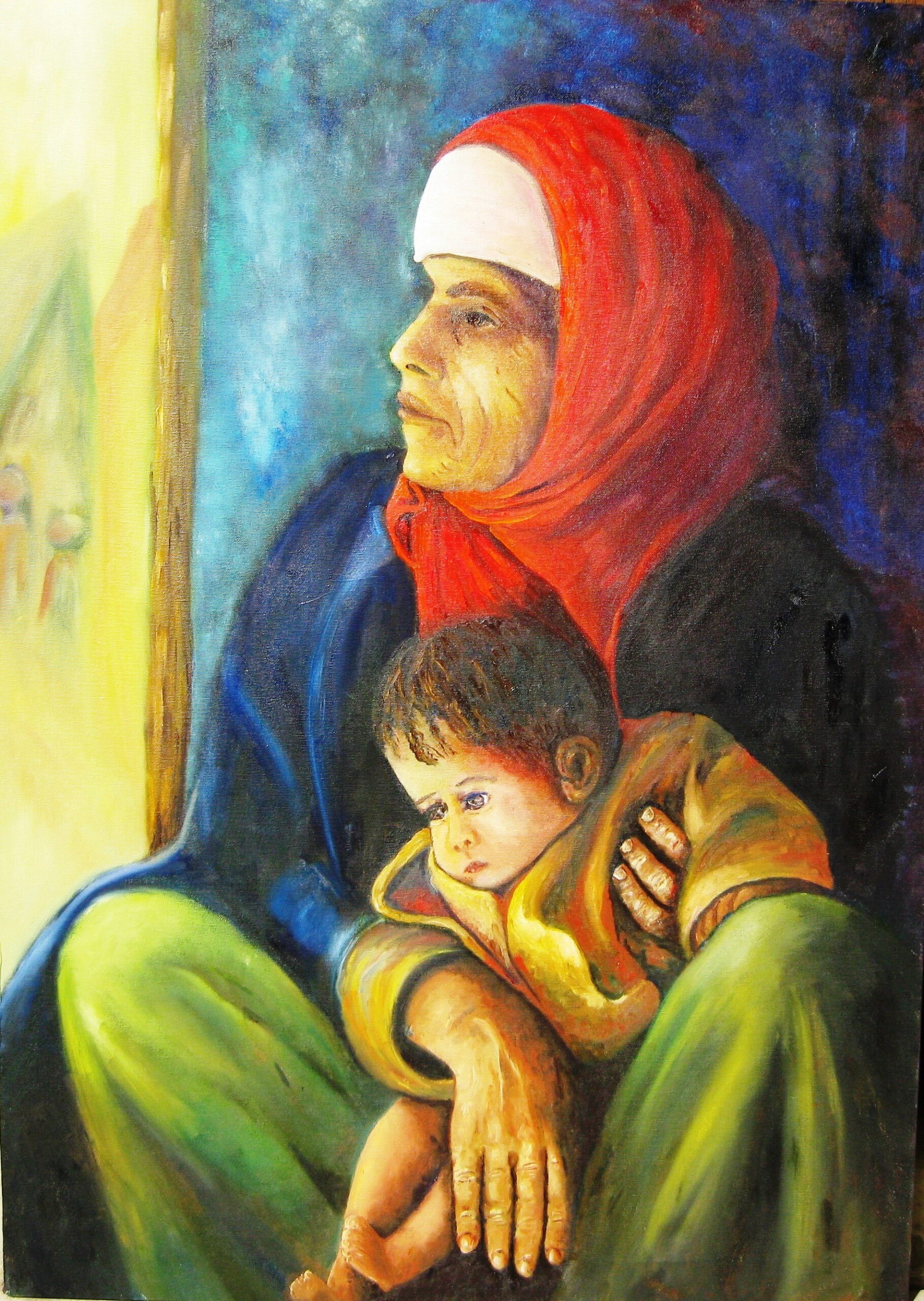
This painting portrays a newly arrived immigrant mother holding her child while waiting in a transit camp during the early years of immigration to Israel. Through expressive color and emotion, it reflects the strength, hope, and resilience of families who left everything behind in search of a new beginning. It is a tribute to the courage of a generation that helped build a new life in a new homeland.
✦ Waiting for a New
Beginning
This painting portrays a Persian Jewish immigrant mother holding her child while sitting at the entrance of a transit camp tent during the early years of immigration to Israel. It reflects the quiet strength, hope, and resilience of families who left their homeland behind and began building a new life in Israel.
✦ Waiting for Aliyah – Moroccan Jewish Village
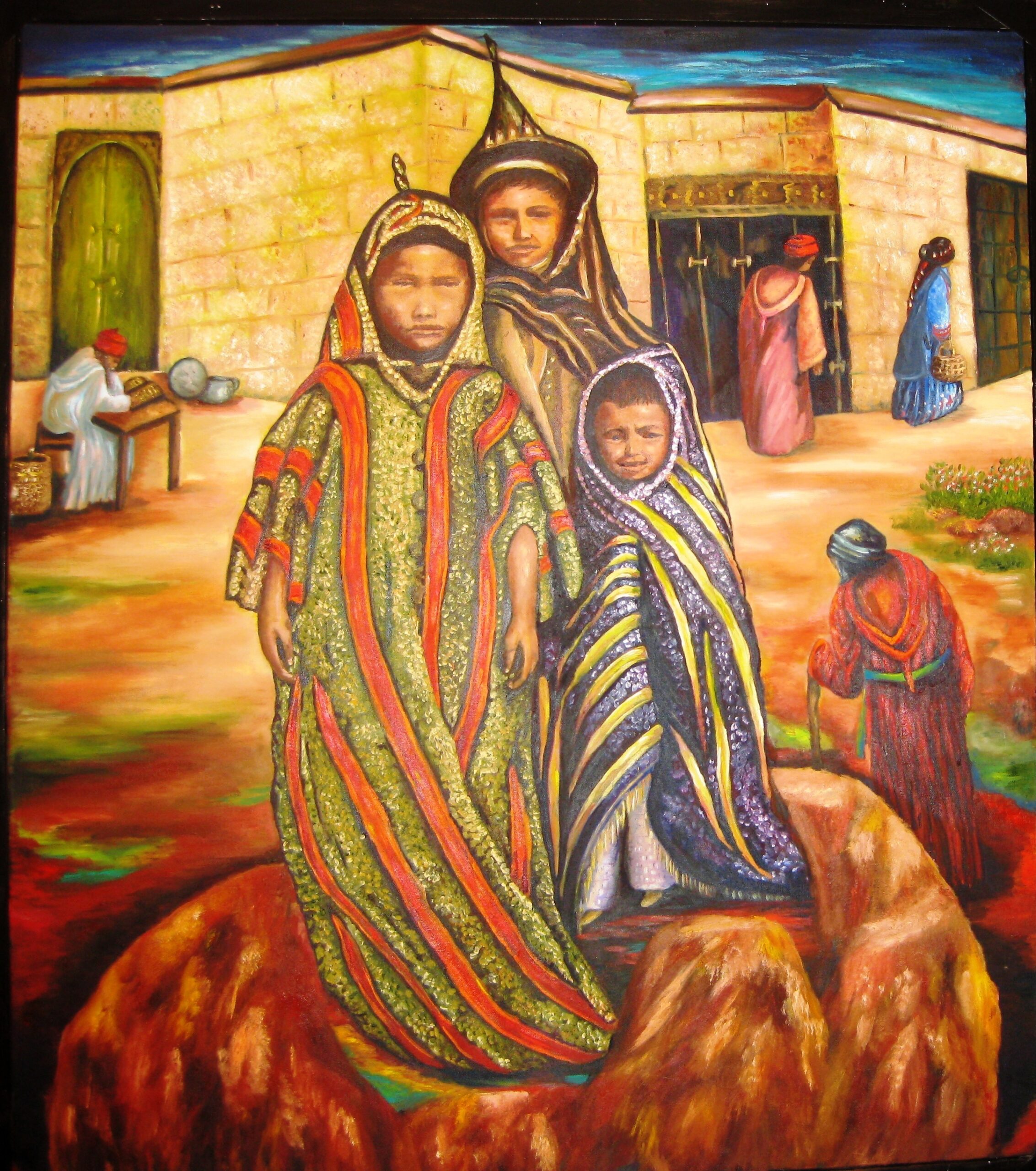
This painting portrays Moroccan Jewish children and families in their traditional dress while waiting for immigration to Israel during the 1950s. It reflects the rich cultural heritage, enduring traditions, and hopeful anticipation of a community preparing to leave its homeland and begin a new chapter in Israel.
✦ A Yemenite Girl in the Transit Camp
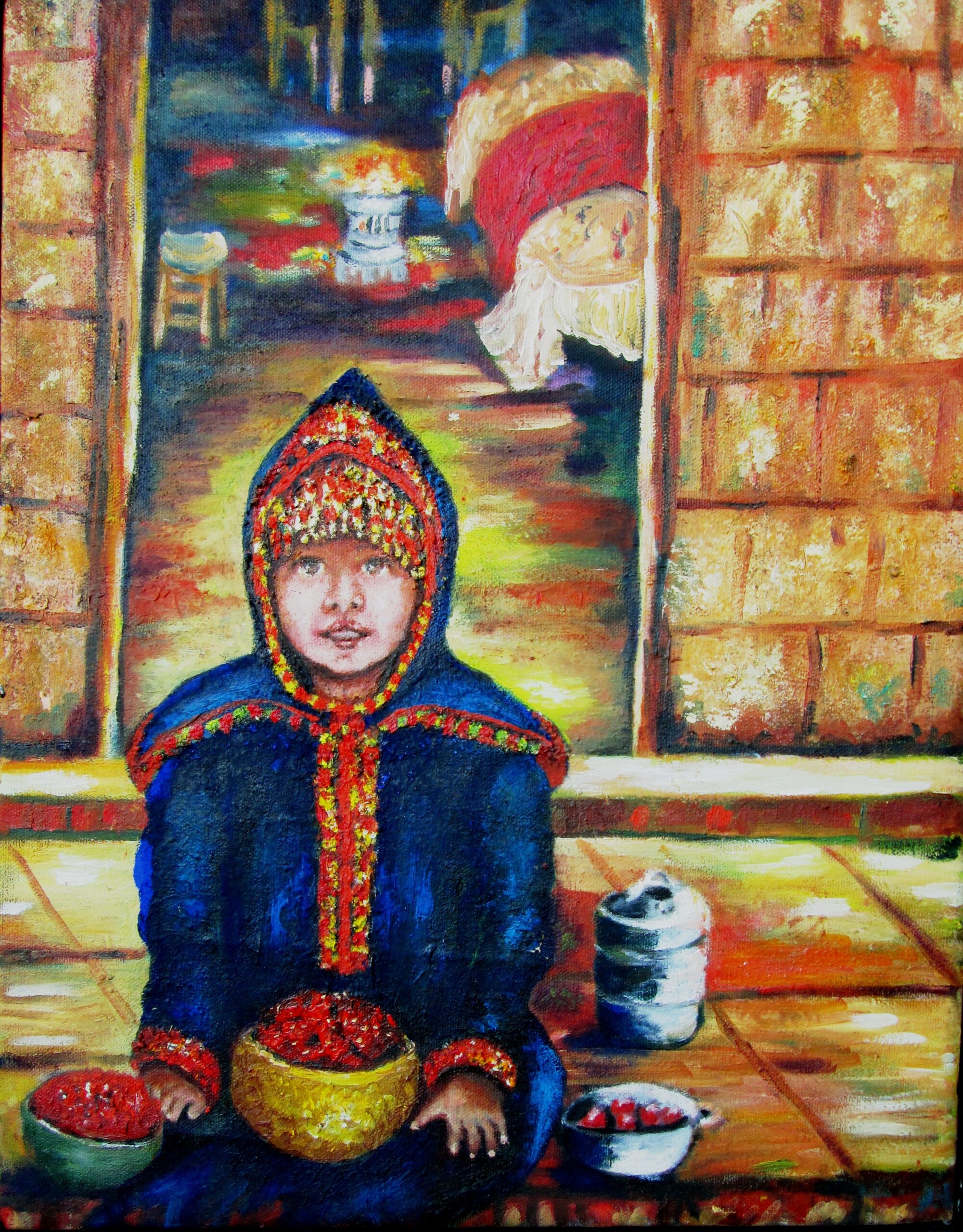
Set in one of Israel’s early transit camps, this painting captures a quiet moment from everyday life as a young Yemenite Jewish girl prepares food while wearing traditional clothing. It reflects the strength of family traditions and the resilience of a generation that carried its culture into a new homeland.
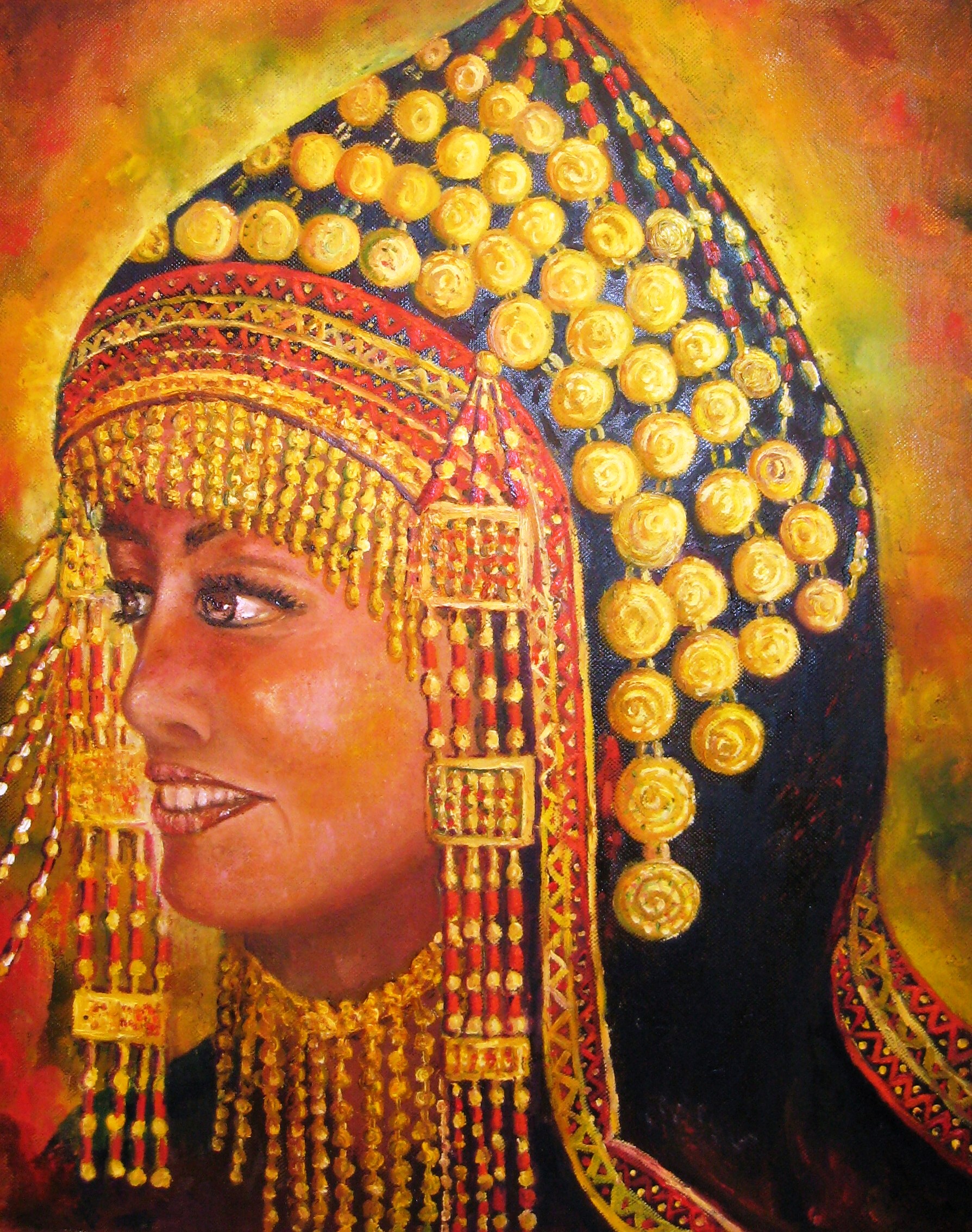
✦ Yemenite Woman in Traditional Dress
T
This portrait celebrates the beauty and cultural richness of Yemenite Jewish heritage through traditional ceremonial dress and handcrafted jewelry. Inspired by historical customs passed down through generations, the painting reflects the artistry, identity, and enduring traditions of one of the world’s oldest Jewish communities.
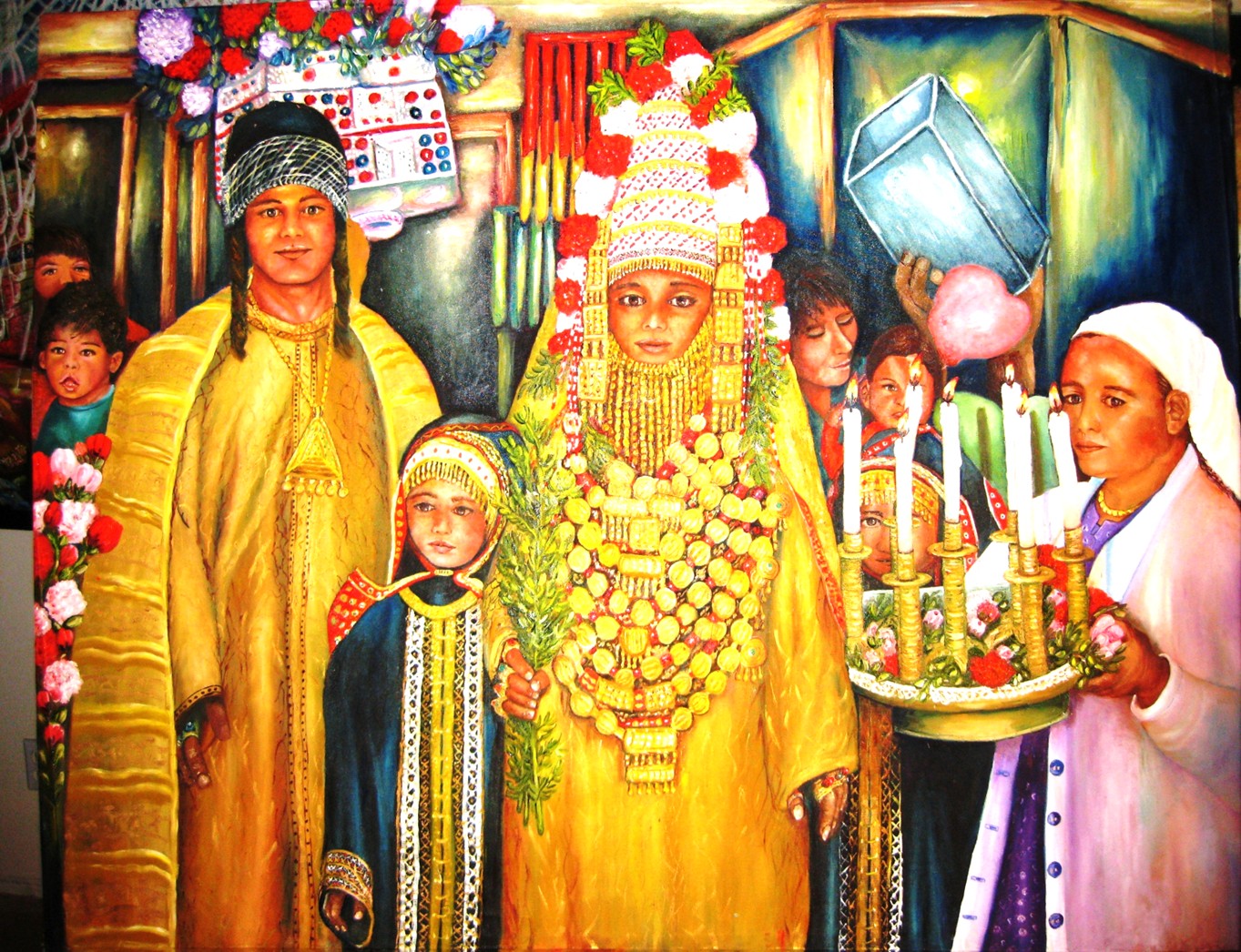
✦ Traditional Yemenite Henna Ceremony
Rich in color, tradition, and symbolism, this painting celebrates the Yemenite Jewish henna ceremony, one of the most cherished customs before marriage. Through traditional dress, handcrafted jewelry, music, and family celebration, the artwork preserves a vibrant cultural heritage while honoring a ceremony that symbolizes blessing, joy, and the beginning of a new chapter in life.הע
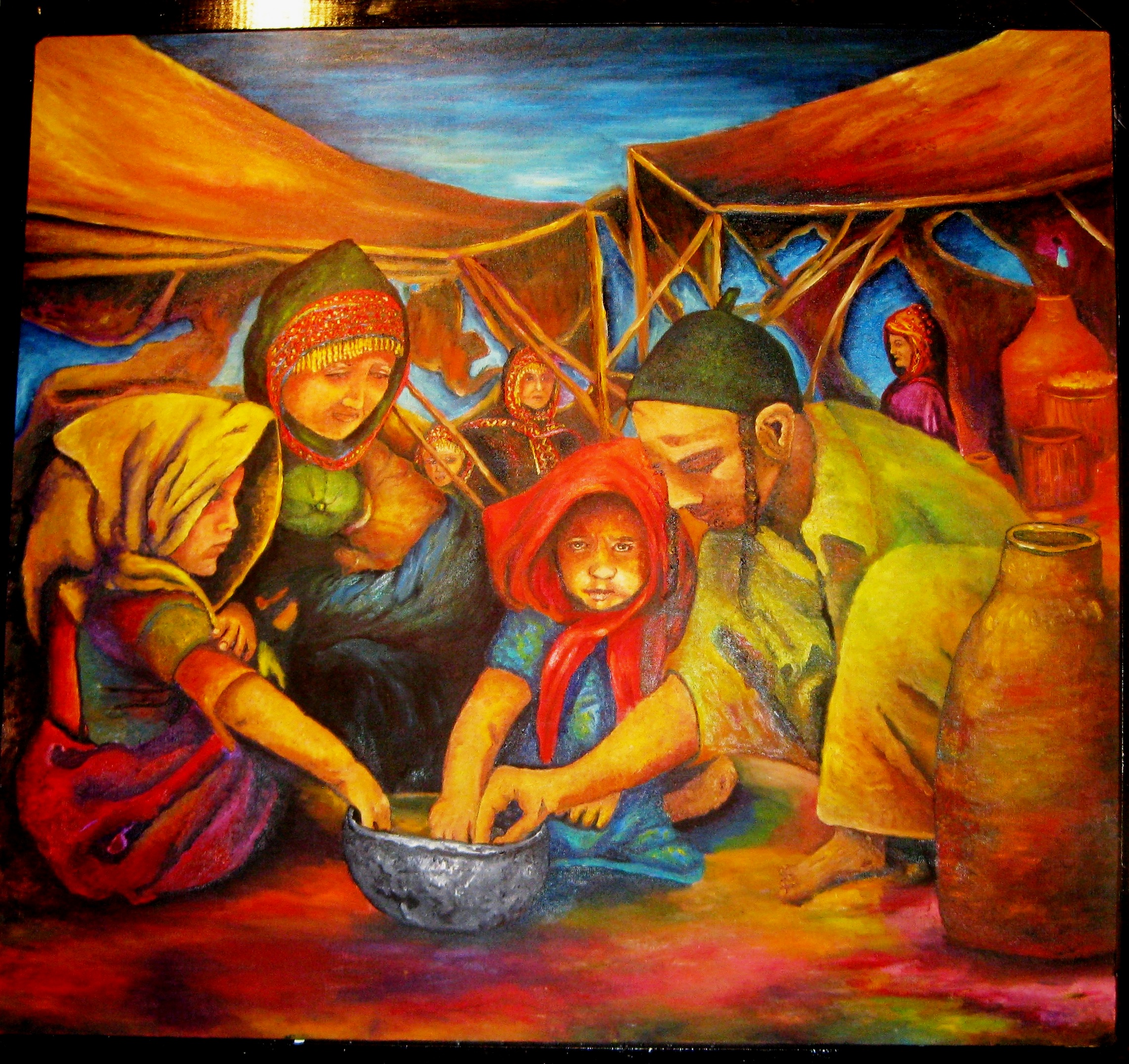
✦ Family Life in the Transit Camp
Gathered outside their transit camp tent, this Yemenite Jewish family shares a traditional meal from a single bowl, reflecting a custom that symbolized unity, closeness, and family life. More than a simple daily scene, the painting preserves the traditions and values that accompanied many immigrant families as they began a new chapter in Israel.
✦ A Yemenite Torah Scholar
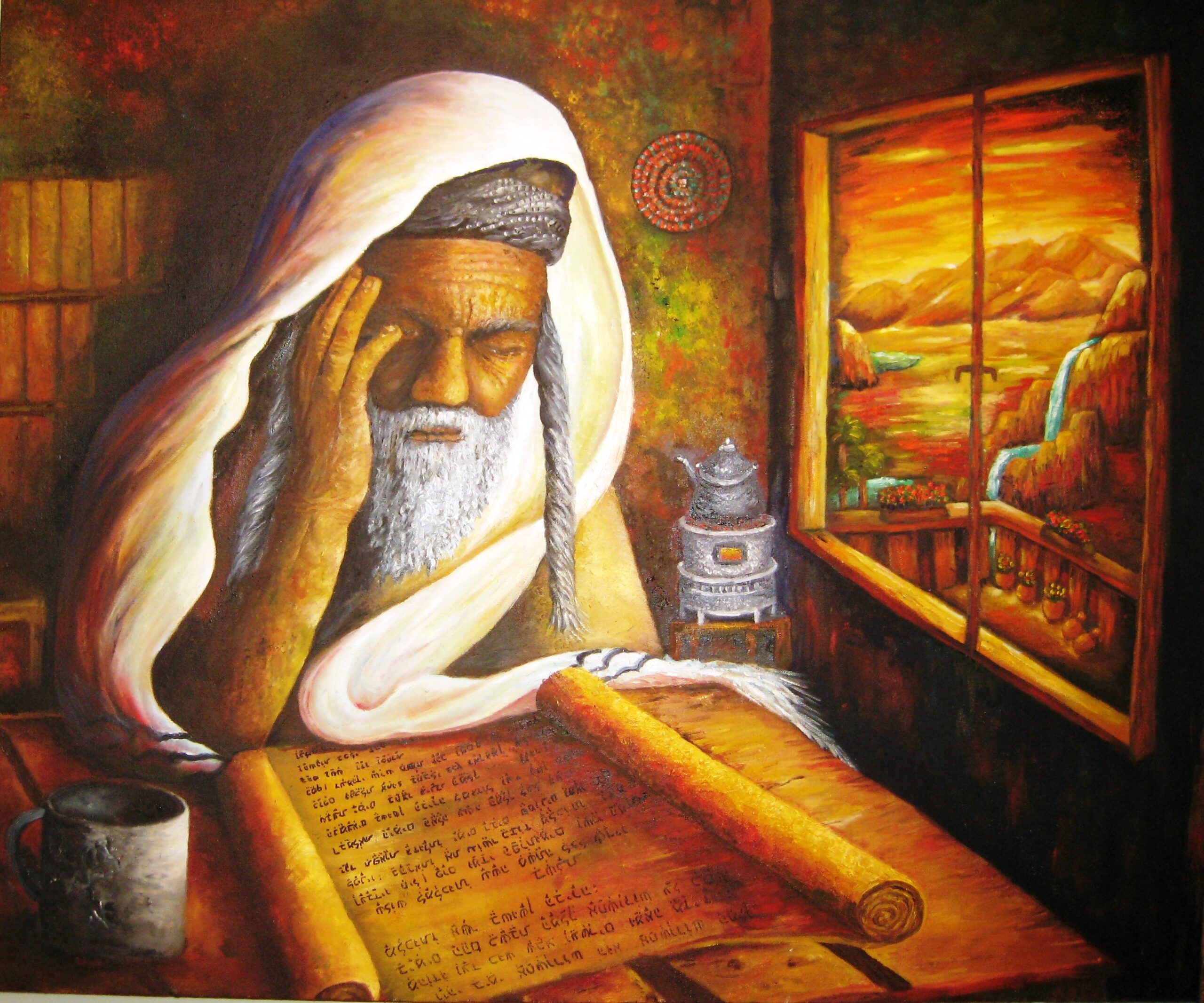
Wrapped in a traditional tallit and immersed in the study of a handwritten manuscript, this Yemenite Jewish scholar reflects a centuries-old tradition of Torah learning. The painting pays tribute to a community that treasured sacred books as its greatest inheritance, preserving faith, knowledge, and spiritual devotion across generations.
✦ Daily Life in the Transit Camp
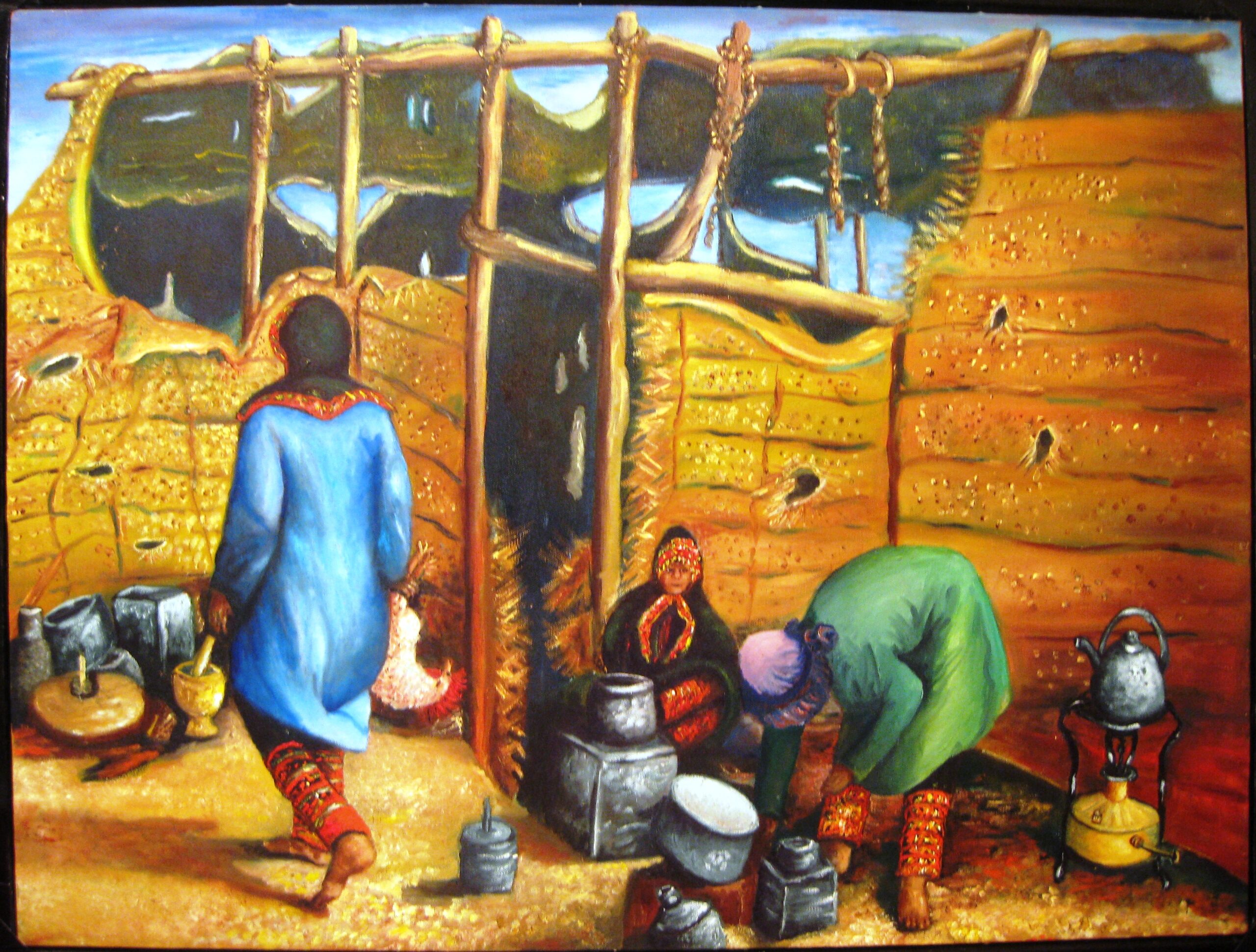
Life in Israel’s early transit camps demanded resilience and determination. This painting portrays Yemenite Jewish women preparing meals outdoors with traditional primus stoves and simple utensils, while continuing to wear their traditional clothing and preserve the customs that had accompanied their families for generations. It is a tribute to the quiet strength of women who carried their heritage into a new homeland.
✦ A Yemenite Family at Home
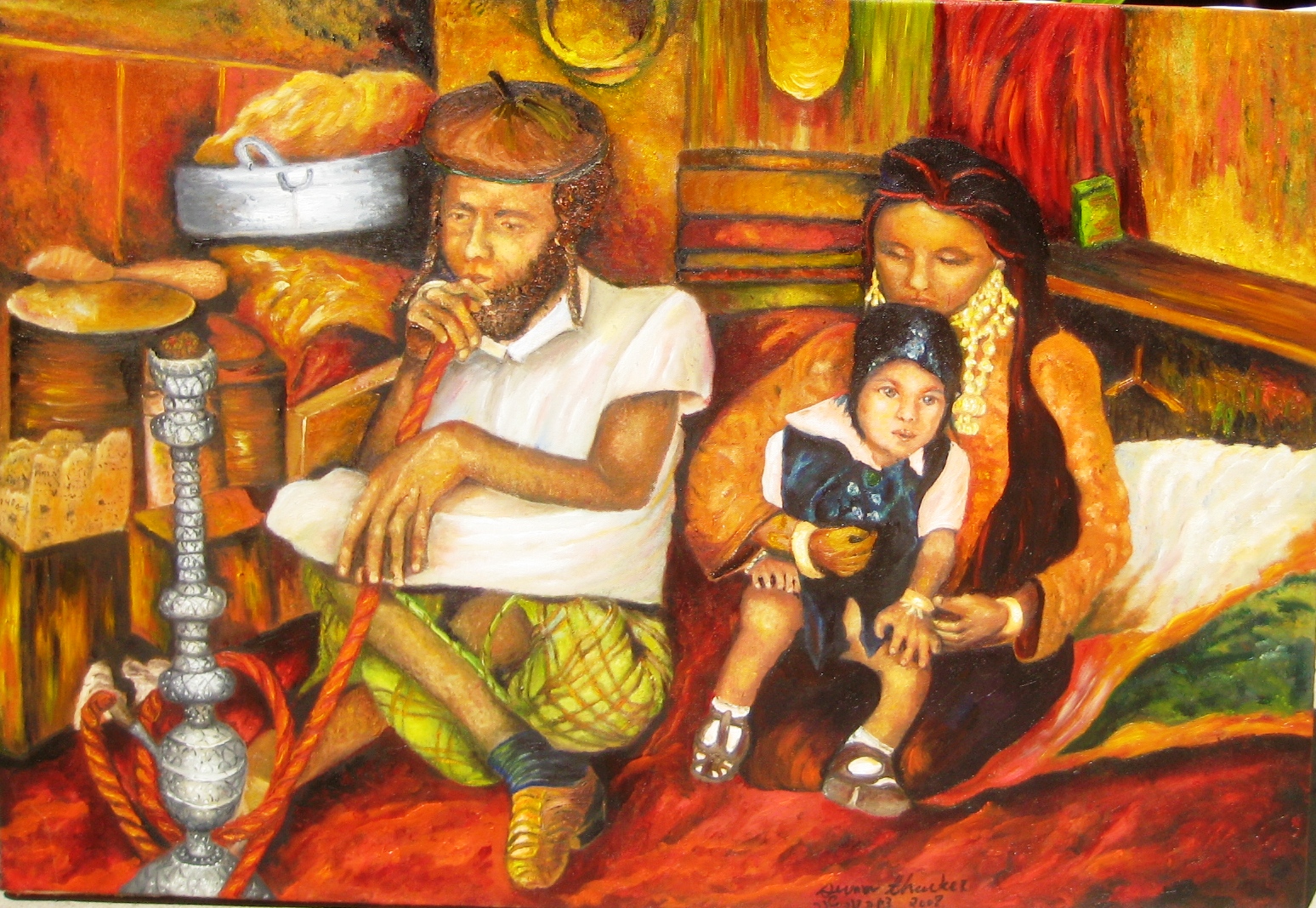
This painting captures a quiet family moment inside a Yemenite Jewish home. After the day’s work, the family gathers to rest, while the father smokes a traditional Mad’ah, a water pipe that was part of everyday social life in Yemen. More than a domestic scene, the artwork preserves the customs, family bonds, and cultural traditions that were carried from Yemen to Israel across generations.ה
✦ Dreaming of Zion
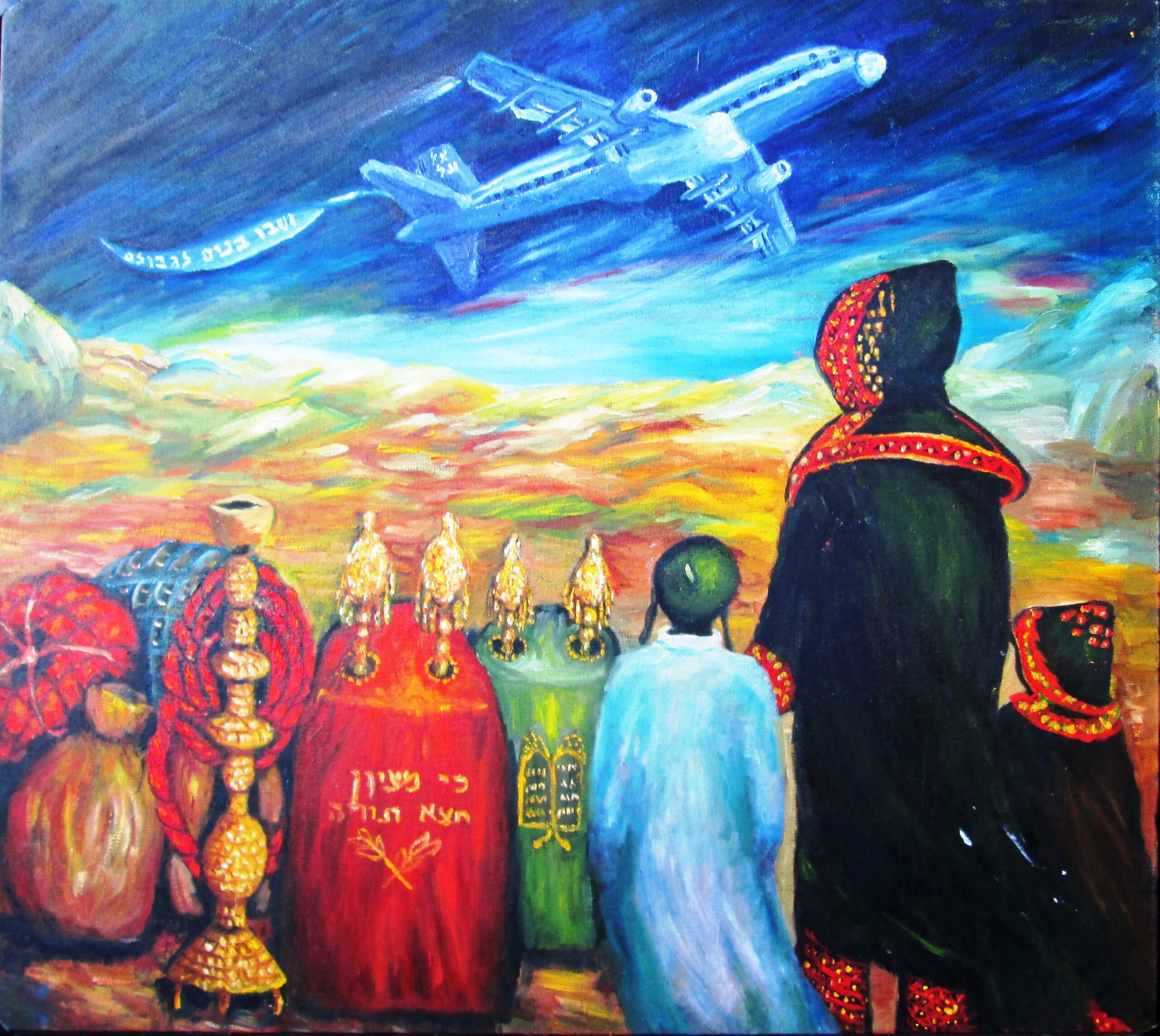
More than a historical journey, this painting expresses the centuries-old longing of Yemenite Jews to return to Zion. Carrying Torah scrolls as their greatest treasure, families crossed the desert with faith and hope before beginning the final stage of their journey to Israel. The aircraft in the sky symbolizes both the historic airlift of Operation Magic Carpet and the fulfillment of a dream carried through generations.
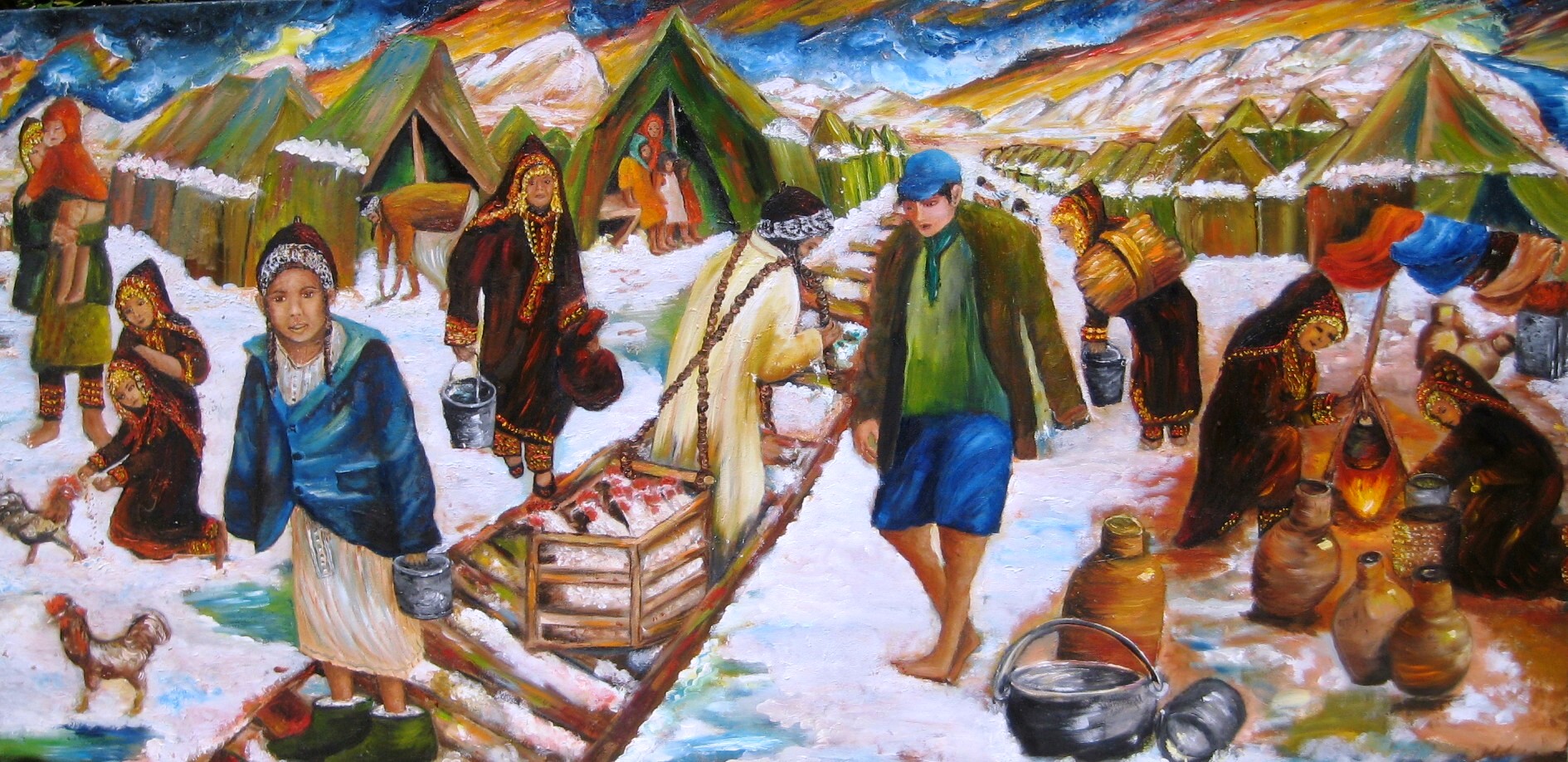
✦ Winter in the Transit Camp
Against a backdrop of snow-covered tents, this painting reflects the resilience of Yemenite Jewish families during their first years in Israel. Far from the climate they had known in Yemen, they adapted to unfamiliar winters while preserving their traditions, family life, and hope for the future. It is a tribute to the courage of a generation that transformed hardship into a new beginning.
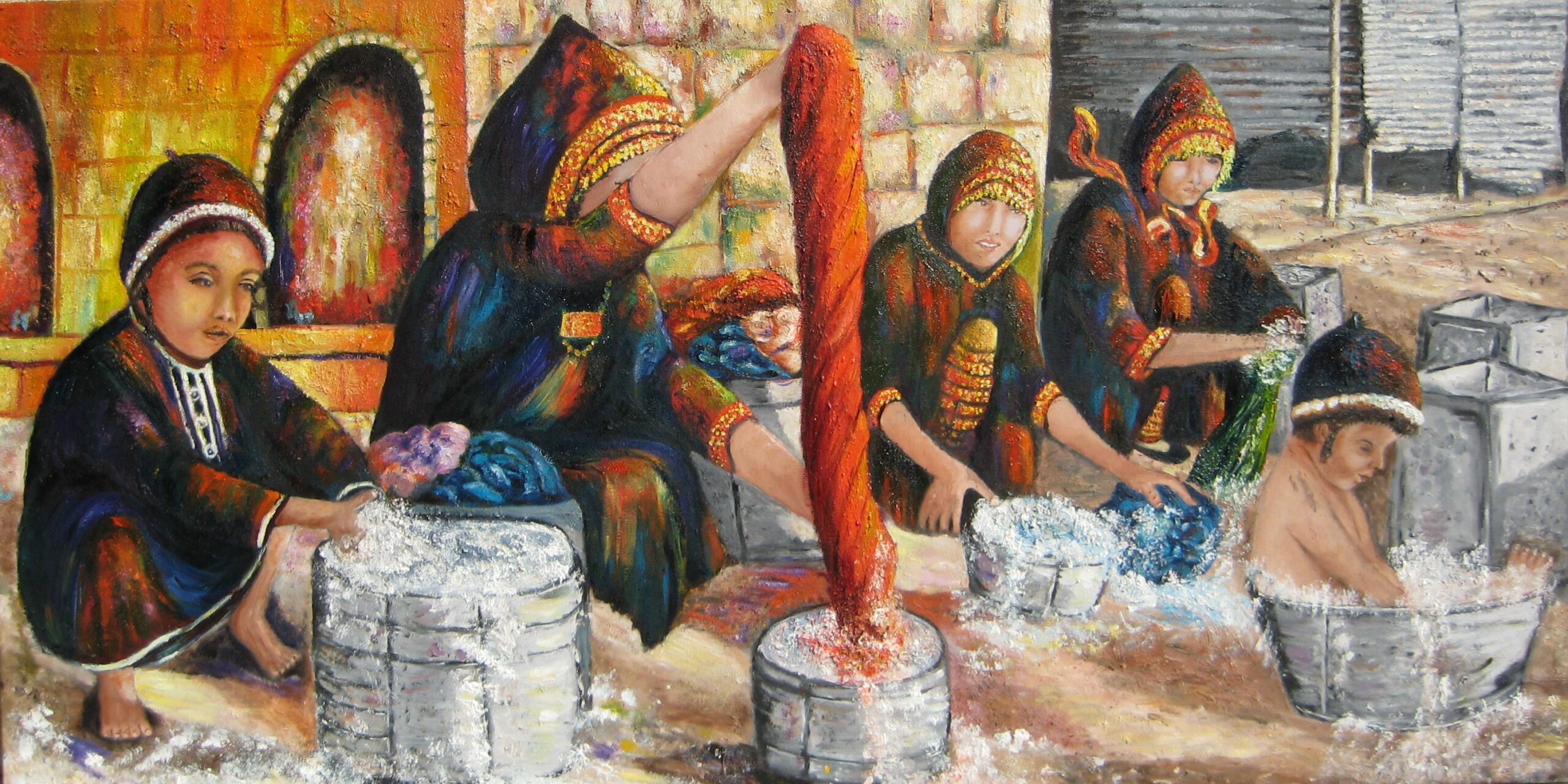
✦ Laundry Day in the Transit Camp
Daily life in Israel’s early transit camps was built around shared responsibilities and close community ties. This painting captures Yemenite Jewish women washing clothes by hand while children remain nearby, reflecting the rhythm of everyday life in the temporary camps. Through simple domestic moments, the artwork preserves the strength, dignity, and traditions of families who built new lives while remaining deeply connected to their cultural heritage.
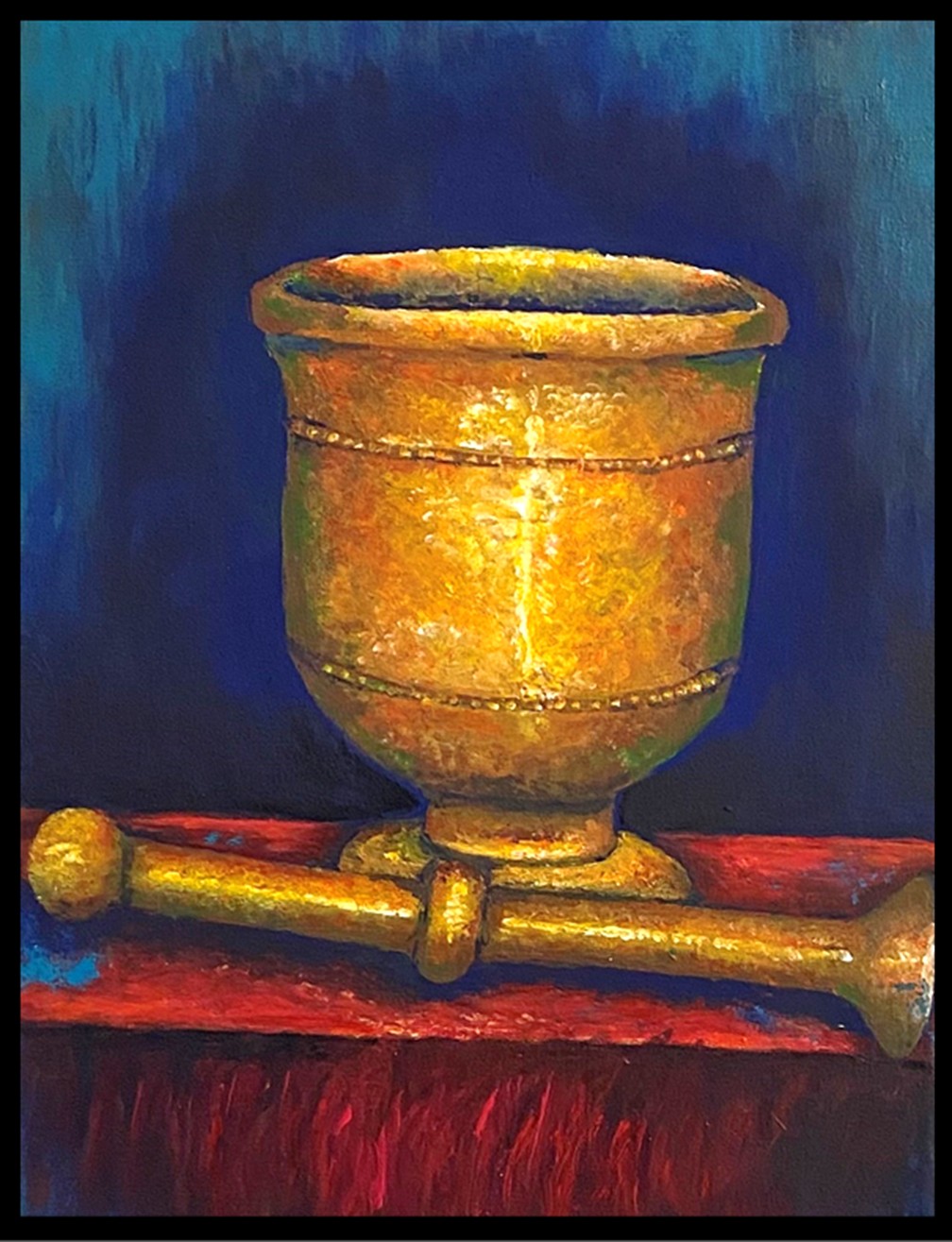
✦ The Hawan – The Traditional Yemenite Mortar and Pestle
Before electric appliances transformed the modern kitchen, the Hawan (traditional mortar and pestle) was one of the most essential tools in every Yemenite home. This original oil painting preserves the memory of an everyday object that played a central role in preparing food and preserving culinary traditions passed down through generations.
Using the heavy pestle, women patiently crushed spices, herbs, seeds, and legumes by hand. This traditional method released the full aroma and natural oils of each ingredient, giving Yemenite cuisine its distinctive richness and depth of flavor.
The Hawan was commonly used to grind fresh Hawaij spice blends, prepare Hilbeh by crushing fenugreek seeds into a fine powder before soaking and whipping them, make traditional Zhug from fresh chilies, garlic, and herbs, and crush legumes for soups and stews.
Every rhythmic strike of the pestle reflected knowledge and skills that were learned through daily life rather than written recipes.
Traditionally, mortar and pestle sets were crafted from durable stone or metal, allowing families to use them for decades. More than a simple kitchen utensil, the Hawan became a symbol of hospitality, family life, and the preservation of Yemenite culinary heritage.This painting honors the quiet beauty of ordinary objects whose value lies not only in their practical use, but also in the memories, traditions, and cultural identity they carry from one generation to the next.
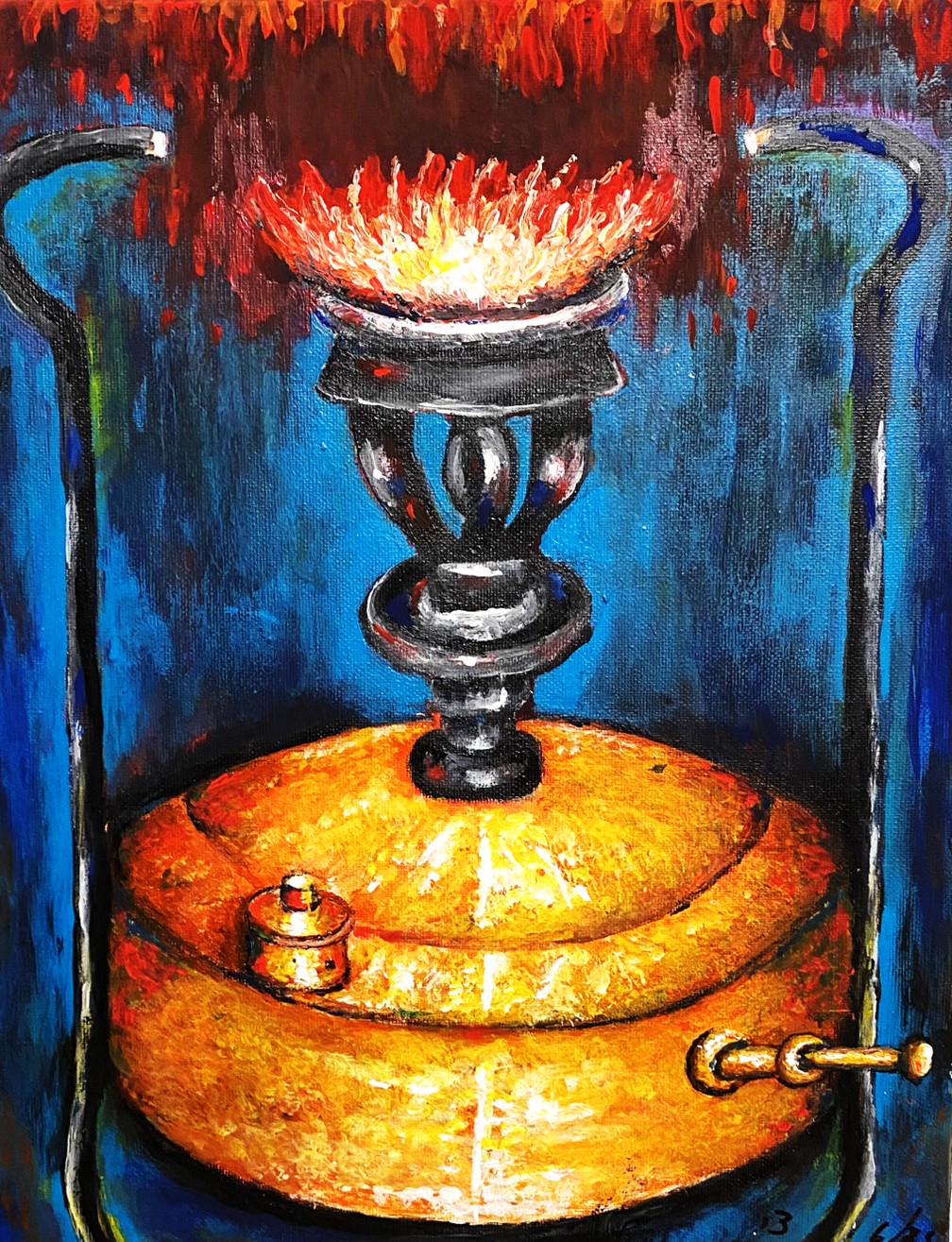
✦ The Primus Stove – The Flame That Warmed Every Home
Before gas stoves and modern kitchen appliances became common, the Primus stove was an essential part of everyday life in many Jewish homes and immigrant transit camps throughout Israel. This original oil painting preserves the memory of a simple household object that provided warmth, nourishment, and comfort during the country’s early years.
Fueled by kerosene and pressurized by hand, the Primus produced a powerful blue flame that was used for cooking meals, boiling water, preparing tea and coffee, and heating water for bathing. For many families living in tents and temporary shelters during the 1950s, it was often the only source of heat and cooking available.
The Primus required patience and skill. Before lighting it, the burner had to be carefully preheated and the fuel pressure adjusted by hand. Despite its simplicity, it became a reliable companion in thousands of homes, serving families through long days of hard work and modest living conditions.
More than a cooking appliance, the Primus represents resilience, resourcefulness, and the determination of immigrant families who built new lives with limited means while preserving their traditions and family life. Today it remains a powerful symbol of the pioneering generation and the everyday challenges they overcame.
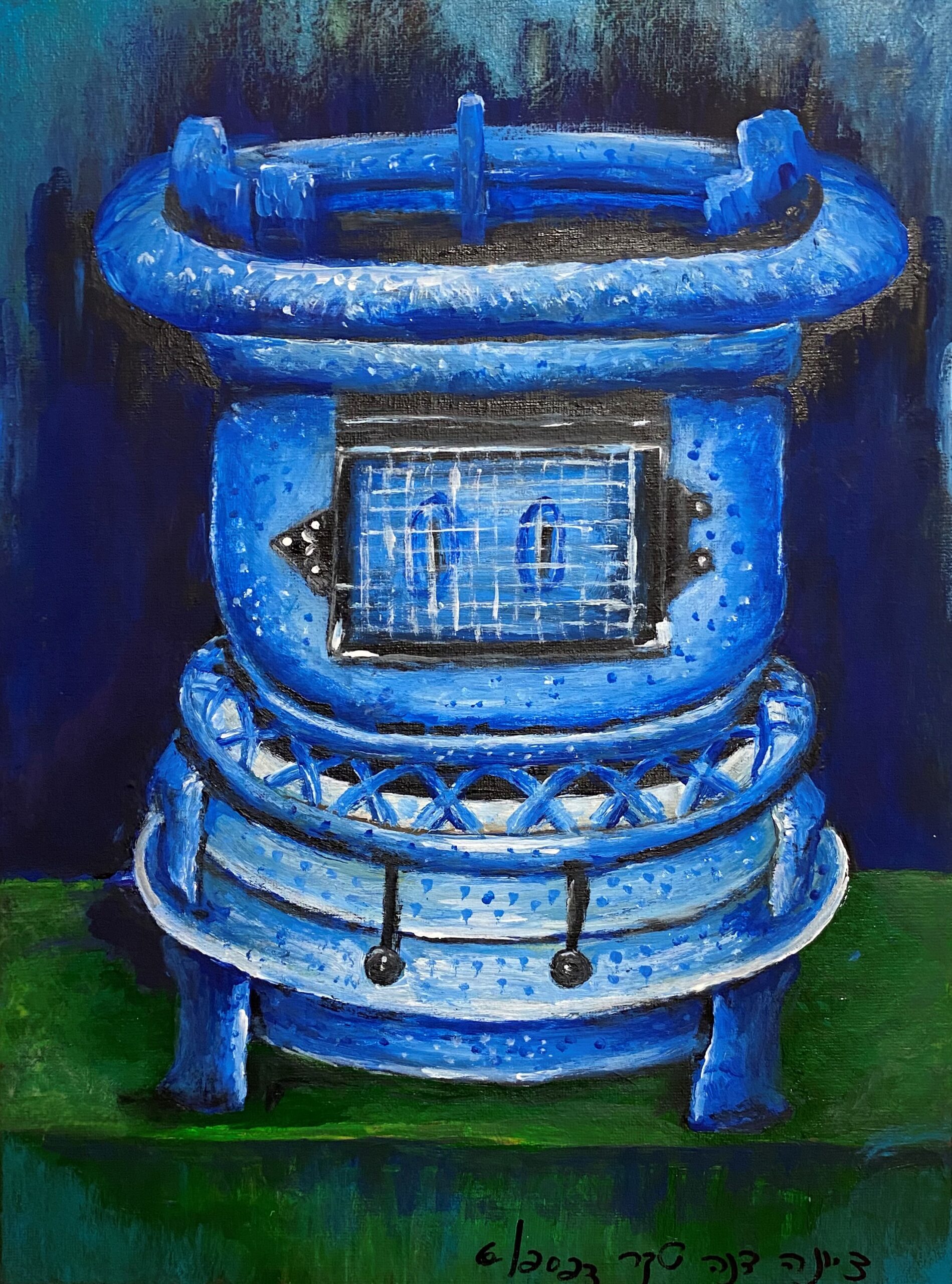
✦ The Kerosene Wick Stove – A Tradition of Slow Cooking
Before modern gas and electric stoves became common, the kerosene wick stove, known in Hebrew as the Petiliya, was an essential household appliance in many homes throughout Israel. This original oil painting preserves the memory of one of the most recognizable objects from everyday life during the country’s early decades.
Unlike the Primus stove, which produced a strong flame for rapid cooking, the Petiliya operated with cotton wicks that absorbed kerosene from a fuel reservoir below. The gentle, steady heat made it ideal for slow cooking over many hours without burning the food. It became especially associated with traditional Sabbath meals, allowing dishes such as cholent, hamin, soups, and stews to simmer gradually from Friday until Saturday.
For many immigrant families living in modest homes and transit camps during the 1950s, the Petiliya represented comfort, patience, and family life. Its quiet flame filled countless kitchens with the aromas of home-cooked meals, preserving culinary traditions that had traveled with Jewish communities from many different countries.
Today, the Petiliya is remembered as more than a cooking appliance. It is a symbol of a generation that built new lives with limited resources while maintaining the warmth of family, faith, and tradition.
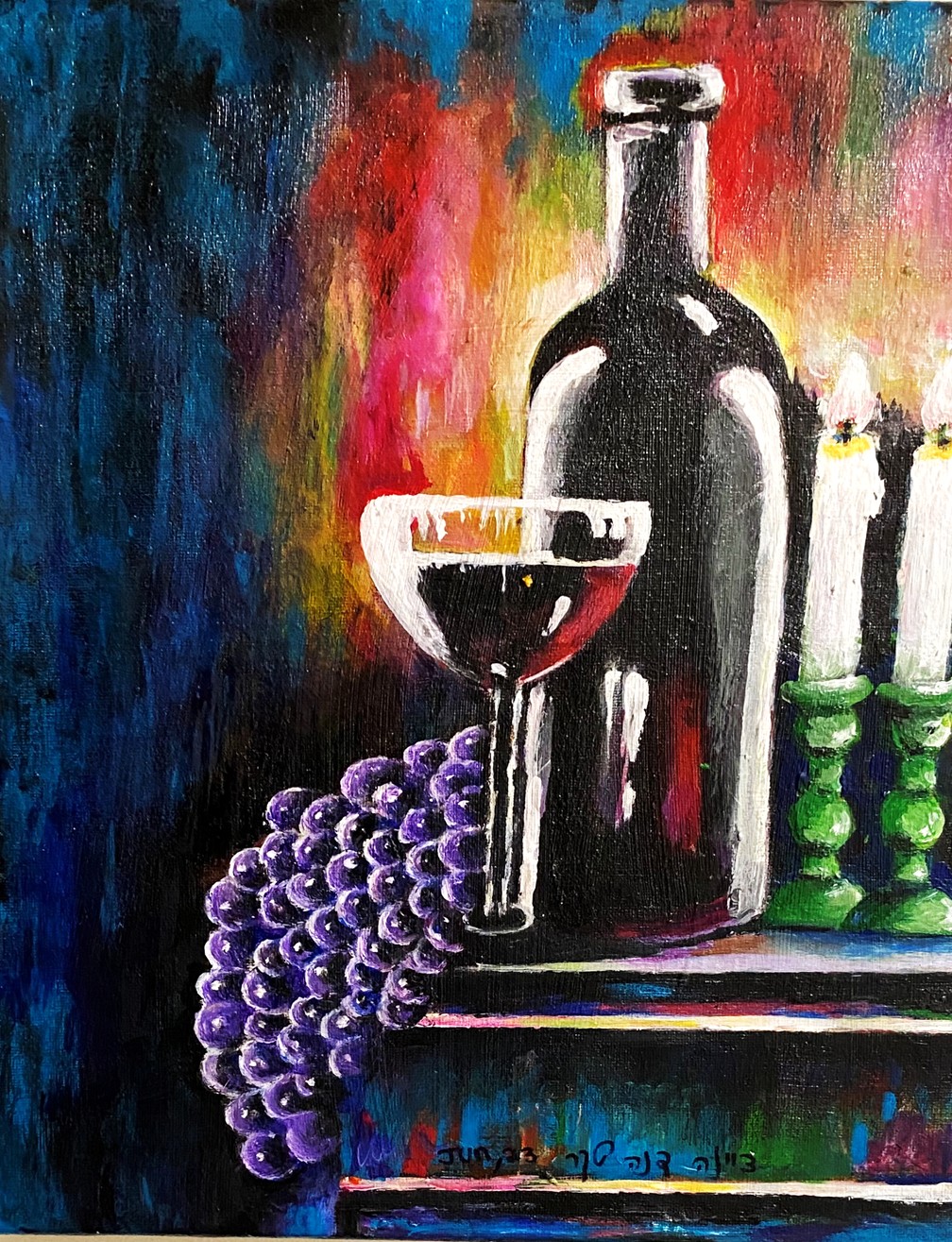
✦Welcoming Shabbat -The Friday Night Kiddush
As the sun sets on Friday evening, Jewish families around the world welcome the Sabbath with light, prayer, and gratitude. This original oil painting captures one of Judaism’s most meaningful weekly traditions-the beginning of Shabbat.
The two burning candles symbolize peace, holiness, and the transition from the ordinary weekdays into the sacred day of rest. Traditionally, the candles are lit shortly before sunset, bringing warmth and spiritual light into the home.
The cup of wine represents the Kiddush, the blessing that sanctifies the Sabbath. The Hebrew word Kiddush means “sanctification.” Holding a cup of wine, the blessing recalls the completion of Creation and the holiness of the seventh day, marking Shabbat as a time dedicated to family, faith, and spiritual renewal.
The grapes symbolize the fruit of the vine from which the wine is produced and remind us of abundance, blessing, and the joy associated with Shabbat. After the Kiddush, the family traditionally shares the wine before continuing with the blessings over the challah and the festive Sabbath meal.
More than a still life, this painting reflects a timeless tradition that has united Jewish families for generations. Every Friday evening, the simple act of lighting candles and reciting the Kiddush transforms an ordinary home into a place of peace, gratitude, and spiritual connection.
✦Published Art Collection
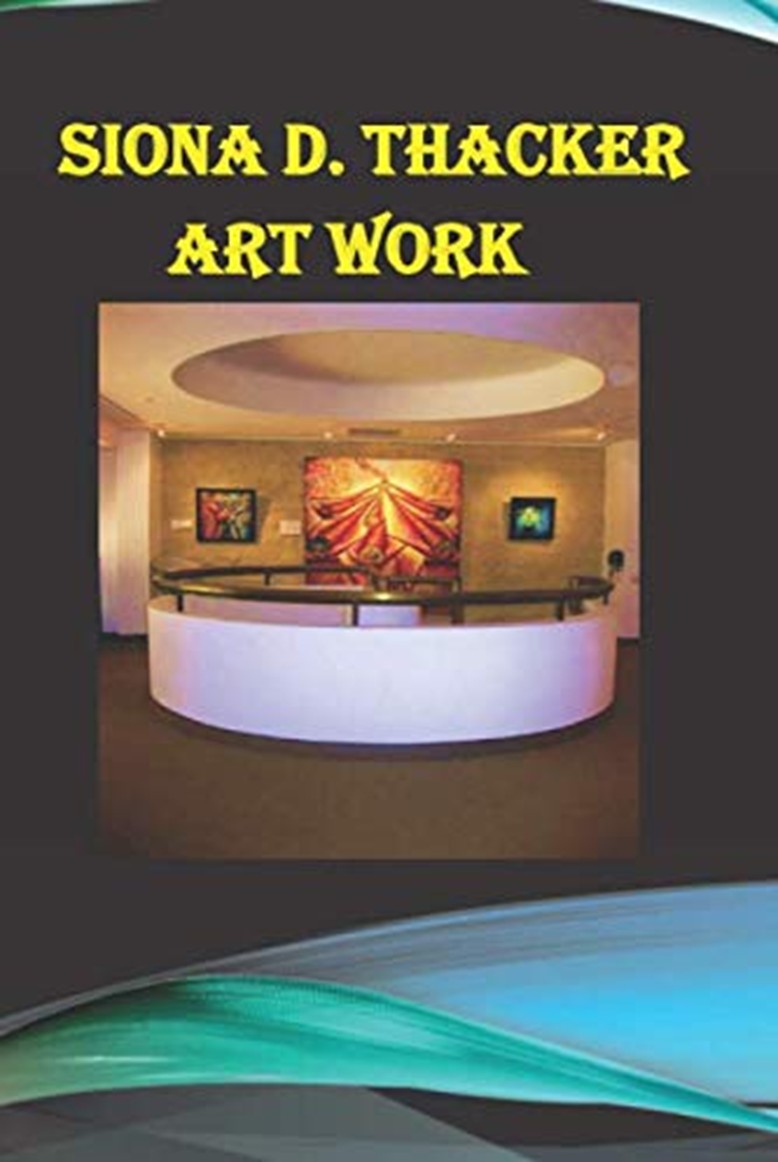
“Many of my original paintings have also been published in the book Siona D. Thacker Art Work, a collection that brings together the stories and inspiration behind my artwork